Insight
100+ pitches a day: how to be the one a journalist opens
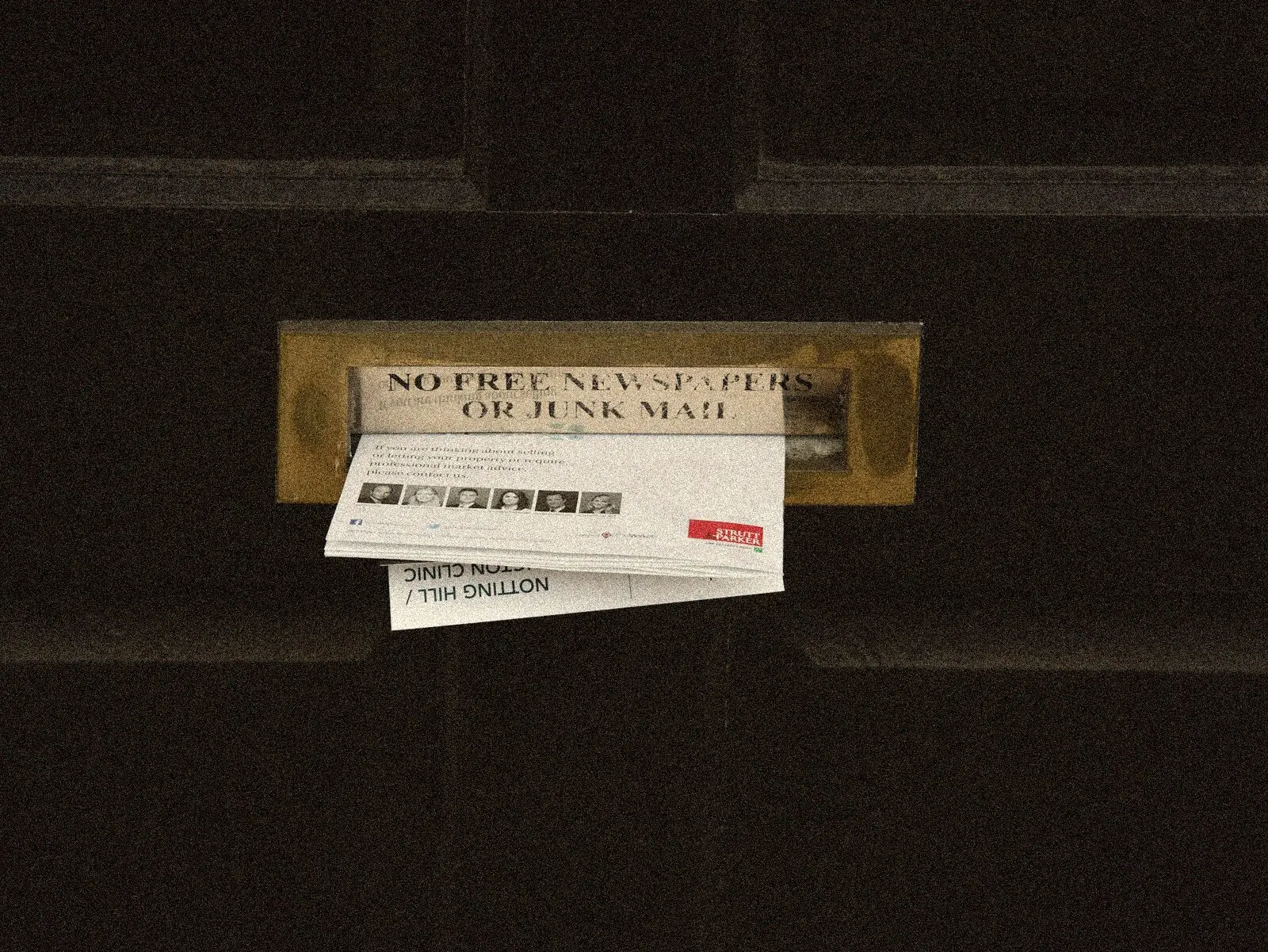
It’s a dance that is as old as Gmail itself: PRs face a battleground just to get a pitch in front of a journalist, let alone secure valuable media space for clients. Since the pandemic, the challenge has intensified - flexible working means most journalists work away from the traditional desk setup, so direct phone conversations have become a rarity. Editorial space is at an all time premium, and the number of journalists is dwindling as contacts work across multiple platforms on much-reduced teams, reducing resource and funnelling comms from PRs into fewer inboxes. National news agency PA Media estimates its newsroom receives around 3,000 press releases per day. So how do we cut through the noise?
Relationships are a two-way street
No media list is going to improve your chances of coverage as much as investing time in your relationships. Remember: the best relationships are built over time and serve both parties equally. That means if you’re only getting in touch with a journalist when you want them to cover your story, you’re probably doing it wrong.
I would always open a PR pitch from someone I had a previous relationship with. Some of the best relationships I have with PRs were born from them reaching out to connect before pitching a story - perhaps following me on Twitter and getting a sense of the topics I was interested in and was likely to cover.
If we don’t know each other, or haven’t connected yet, a tailored pitch is the best way to convince me to open an email. As for the pitch itself, samples, solid stats, and quotes that I could take to my editor always help!
— George Griffiths, freelance lifestyle and music journalist
Research your media targets
No journalist will open an email if it doesn’t clearly relate to their beat. Read - thoroughly - their recent stories and headlines. Understand what makes them tick, and what excites their editors. A ‘spray and pray’ rarely works wonders, but a well-timed, well-researched and considered email pitch is going to get a lot more consideration than an obvious mail merge. Get it wrong, and the results could be disastrous for future relationships.
Don’t waffle: grab attention
Use what you’ve learned to inform your subject line. On smaller devices, you’ve got about 40 characters to grab attention - on a laptop, you might have up to 70. Either way, this isn’t much to play with, so cut the waffle. What is it about your story that this journalist should care about? Include data here, particularly if it either confirms or throws into question something the journalist has written about previously. Found out that 80% of Brits hate ham sandwiches? That’s your subject line.
According to PA Media, a credible, trained spokesperson hugely improves your chance of a story getting picked up - so if you’ve got one, say it clearly in the subject line. If you can offer an exclusive, even better subject line fodder.
Timing
News briefings happen early, so unless you’re pitching to a rolling news team or overnight editors, ensure your story has landed before 11am. Leaving it until the afternoon means your news is unopened and sitting right at the bottom of the unread pile for the next day.
In essence, the work of a good pitch is done way in advance of unread notification pinging through. The secret to success is in the groundwork of the relationship, ensuring mutual respect and understanding of each other’s craft. In a world where the human brain has become the bottleneck for most tasks sped up by tech enhancements, step back and spend your time nurturing the conversation. It’ll make your life easier, and it’s one thing ChatGPT will never be able to do better than you.